


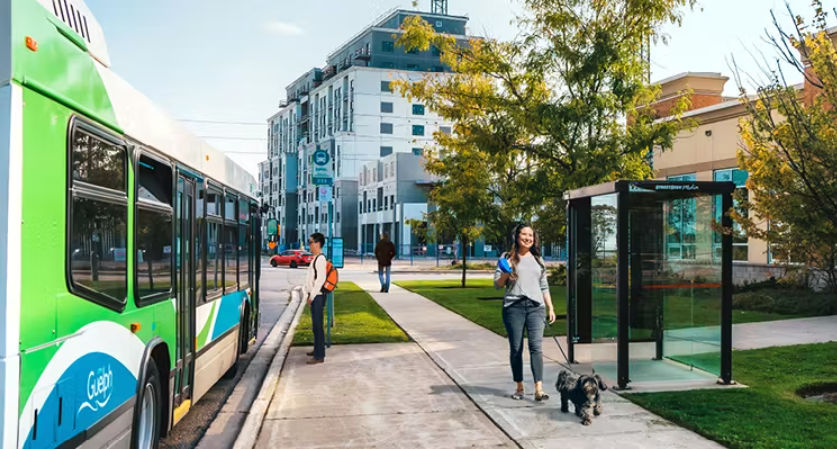
The siren song of "fare-free public transit" is loud, politically magnetic, and undeniably appealing. Who wouldn’t want to step onto a bus or board a train without hunting for a transit card or loose change? Yet, while eliminating fares sounds like a progressive silver bullet for urban mobility, it often addresses the wrong problem.
Ask daily users and potencial riders what they actually want, and the answer isn't a zero-dollar ticket. It is a system that shows up on time, runs frequently enough that you don't need to consult a schedule for every trip, and gets you to your destination safely. Free transit on a broken system is just a free ticket to frustration.
Frequency and Reliability Beat Blanket "Free" Policies
When transit agencies strip away all fare revenue without a permanent, robust operational funding backstop, systems inevitably enter a downward spiral: revenue drops, maintenance is deferred, buses break down, and service cuts follow.
1. The Rider's Priority: Commuters routinely rank reliability and frequency far above the cost of the fare. If a bus comes once an hour and is perpetually bunched or delayed, making it free doesn't change the fact that it is completely unusable for getting to a shift or an exam on time.
2. The Danger of Overcrowding: Zero-fare policies often trigger massive spikes in ridership. If the underlying network lacks the fleet capacity and driver numbers to handle the surge, it results in pass-ups at stops and severe crowding - alienating both new riders and transit-dependent locals who rely on the bus to live their daily lives.
Precision over Blanket Policies: Targeted Equity Wins
Universal fare elimination treats every rider the same, handing a financial break to middle-class commuters who can comfortably afford the fare, while potentially starving the system of the very dollars needed to fix unpunctual routes.
Instead of a blunt financial instrument, cities achieve much better social and economic outcomes through targeted equity programmes and smart fare-capping.
"A well-targeted subsidy ensures that mobility reaches those who need it most, while preserving the revenue required to keep frequent service wheels turning for everyone else."
Cities have increasingly proven that strategic, structured models work best. Examples include targeted low-income transit pass tiers (where lower-income households receive heavily subsidised or free monthly passes) and structured youth and senior relief programmes - such as making youth transit free during evenings, weekends, and summer breaks, or offering free travel days for seniors. By anchoring young people to public transit early, transit authorities build lifelong ridership habits while lifting financial burdens off working-class families and fixed-income seniors.
The Prerequisites of Free Fares
This is not to argue that fare-free transit has no merit. Several smaller municipalities and niche circulator routes have found immense success with zero-fare models. However, these successes share a crucial prerequisite: they were implemented on top of already robust, high-frequency, and sustainably funded transit networks.
Before any any city seriously considers dropping its fareboxes entirely, it must satisfy three conditions:
- High-Frequency Corridors: Core routes must run every 10 to 15 minutes during at least peak hours so that frequency acts as a natural safety net.
- Stable Alternative Funding: Operating budgets must be guaranteed via reliable municipal, provincial and federal tax streams, entirely independent of fluctuating fare renvenues.
- Equitable Safety Nets First: Vulnerable populations, students, and low-income workers must already be prioritized through deep discounts or targeted free-ride frameworks.
Public transit is an essential public utility, much like public libraries or safe roads. But making it free before it works is a hollow victory. For groups like TAAG, our advocacy voice is best spent pushing Guelph Transit and City Council to prioritize frequent, reliable networks first - and using targeted, intelligent fare structures to lift up the youth, seniors, and low-income residents who need support the most.
What are your thoughts on your local transit system - would you rather see completely free fares across the board or guaranteed, high-frequency buses on your route?


